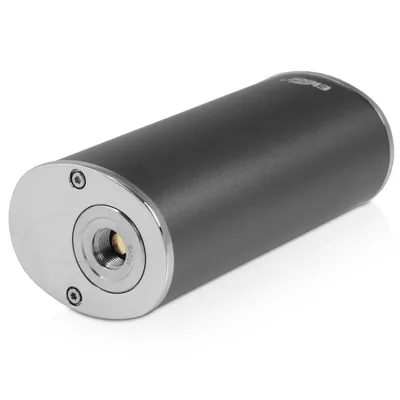
Vapes do not burst into flames for no reason. When a vape battery does fail, it almost always comes back to something specific: a loose cell shorting in a pocket, a torn wrap, a fake battery, a cheap charger or a battery crushed in a bin. Clear up the myths and the real risks get very manageable.
The short version
- Battery fires have causes: shorts, damage, fakes, poor chargers and crushing.
- Regulated mods and pod kits have protection circuits. Loose spare cells do not.
- Higher mAh on a wrap is not better if the number is fake.
- If a battery catches fire: get out, close the door, call 999.
Where the real risk lives
Headlines make vape fires sound random. They are not. Lithium-ion cells fail for a short list of reasons, and nearly every one of them is something you can see coming or avoid entirely.
The biggest is the short circuit: metal bridging a cell's two terminals, usually a loose spare battery meeting keys or coins. Next comes physical damage, from torn wraps to dents and crushing. Then there are fake or overworked cells, pushed beyond what they can really deliver, and poor charging with cheap plugs or on soft furnishings. Finally, batteries thrown in bins get crushed in lorries and at waste sites.
Every item in the checklist below is a habit that removes one of those causes.
Device myths, flipped
A lot of what people believe about vape fires comes from older technology, mechanical mods or one-off stories retold until they sound typical. The reality is more reassuring and more useful, because it tells you exactly where to focus.
Regulated mods and pod kits carry protection that cuts power on a short, stops charging at full and shuts off before a battery drains too far. That is a big part of why incidents are rare. The weak spots are the things the electronics cannot see: a spare battery in your pocket, a damaged wrap, a fake cell or a battery that has been crushed.
Tap each card to flip it.
Charging and storage myths
Charging is where a lot of folklore lives. Some of it is outdated advice from older battery types, and some of it is the opposite of what fire services actually say. Lithium-ion has no memory effect, so running it flat first does nothing useful, and a decent branded fast charger is not going to fry a vape that does not ask for fast charging.
What does matter is where and when you charge, and what you charge with. A cheap plug on a duvet overnight stacks up several risks at once. Our guide to charging a vape safely goes through each habit.
Here is how the common beliefs compare with what is actually true.
Bins, lorries and the disposable problem
Some of the most serious battery fires never happen in anyone's hand. They happen in bin lorries and recycling plants, where batteries thrown in household bins get crushed, short and ignite among paper and plastic. UK fire services and waste operators have warned about this repeatedly, and discarded vapes are a well-known part of the problem.
The UK stopped the sale of single-use vapes on 1 June 2025, but older ones are still in drawers and reusable kits wear out too. Every one of them contains a lithium battery.
The fix is simple and free. Take dead vapes and taped cells to a shop collection box or your local recycling centre. Our guide to disposing of vapes and batteries lists the options.
Fakes, wraps and loose cells
If you use a mod with removable batteries, three habits cover most of the risk. First, buy genuine cells from a reputable shop: fakes with inflated capacity and amp ratings can be pushed far past what they can really handle. Our guide to spotting fake batteries shows the giveaways.
Second, check wraps every time you swap cells. The metal can is the negative terminal right up to the top, so a tear near the positive button can short the cell in the mod.
Third, never carry a spare loose. A plastic battery case costs a couple of pounds and removes the single most common cause of vape battery incidents. For the full list, see our battery safety rules.
If it does go wrong
Most battery problems give you warning first: heat that does not fit the situation, swelling, a chemical smell, hissing or crackling. At that stage, stop using it, unplug it at the wall if you can do so safely, and put it on a hard surface away from anything flammable.
If a battery is smoking, venting or on fire, do not try to deal with it yourself. Lithium battery fires can be fierce, can reignite and give off harmful smoke. Get everyone out, close the door behind you to slow the spread, and call 999.
Fire services would much rather be called to something that turns out to be minor than arrive late to something that is not.
A vape battery starts smoking and hissing on the table. What should you do?
Quick answers
Do vapes explode on their own?
No. When vape batteries fail, there is almost always a cause: a short circuit, physical damage, a fake or overworked cell, poor charging or crushing.
What causes most vape battery fires?
Loose spare batteries shorting against keys or coins, damaged wraps, fake cells, cheap chargers and batteries crushed in bins are the usual causes.
Is it safe to charge a vape overnight?
UK fire services advise against charging lithium devices overnight or unattended. Charge in the evening while you are around instead.
What should I do if my vape catches fire?
Get everyone out, close the door behind you and call 999. Do not try to pick it up or put it out yourself.